Structural warranties on a new build: what they cover and why lenders want one
What a ten-year structural warranty on a new home covers and what it doesn't, why mortgage lenders want one, and why to arrange it before you start.
By Dave Groom · Tatton Projects
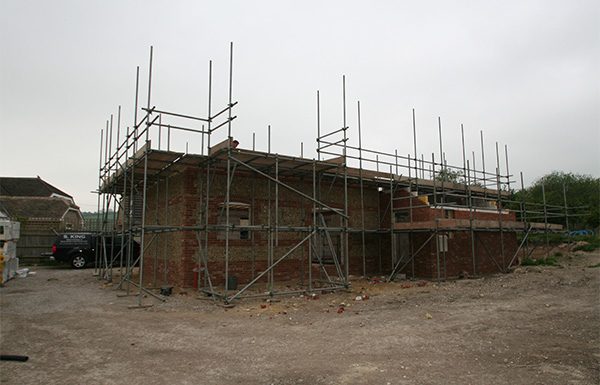
Of all the paperwork on a new house, the structural warranty is the one people tend to leave until last. It's also the one that can't be sorted out at the end.
Here is what a warranty is, what it does and doesn't do, and why it has to be in place before the first trench is dug. Policies vary between providers, so treat this as the general picture and read the wording of the one you're offered.
What a structural warranty is
A structural warranty is an insurance-backed policy that covers a new home against certain defects for ten years after completion. It's issued by a specialist warranty provider, which sets its own technical standards and sends its surveyor to inspect the house while it's being built.
On most policies the cover comes in two parts. For the first couple of years, the builder is responsible for putting right defects that don't meet the provider's standards, and the provider usually steps in if the builder doesn't. For the rest of the ten years, the policy covers major structural defects, and claims go to the insurer.
It's worth being clear about what it isn't. It isn't building control. Building control checks the work against the building regulations and issues a completion certificate at the end. The warranty is separate, with its own inspections, its own standards and its own certificate, and you need both.
What it covers, and what it doesn't
The core of the cover is the main structure: foundations, load-bearing walls, floors and the roof structure. Many policies also cover the parts of the outer envelope that keep the weather out. The exact list is in the policy wording, and that's where to look.
What it generally won't cover:
- Wear and tear, and problems caused by a lack of maintenance
- Minor shrinkage cracks, which are normal as a new house dries out
- Kitchens, appliances and boilers, which come with their own manufacturers' guarantees
- Gardens, fences and landscaping, in most cases
- Damage caused by later alterations that weren't part of the original build
A warranty isn't a promise that nothing will go wrong. It's a safety net for the things that would be ruinous if they did.
Why lenders want one
Mortgage lenders generally won't lend on a new home unless it has a structural warranty from a provider they accept. Some will accept a professional consultant's certificate instead, which is issued by an architect or surveyor who has monitored the build, but lenders vary on this and some won't accept one at all. Check with your lender before you decide which you're getting.
This matters even if you're paying cash. If you sell the house within the first ten years, your buyer's lender will be asking the same question, and a house without cover is harder to sell.
If you're building with a self-build mortgage that releases money in stages, the lender may want the warranty arranged before it releases the first payment. Ask early, so it doesn't hold up the start.
Why it has to be arranged before you start
A warranty provider can only cover what its surveyor has seen. Once the foundations are poured and the drainage is backfilled, nobody can inspect them properly. Cover arranged after work has started, if a provider will offer it at all, is harder to get and more expensive.
In practice, the provider usually wants the site registered and the drawings reviewed before work begins. Its surveyor then inspects at key stages, typically including the foundations, the structure as it goes up and a final inspection at completion. The provider sets the stages, and the builder has to give notice so the visits happen before the work is covered up.
Some providers also require the builder to be registered with them, or approved by them, before they'll cover a house. If you're arranging the warranty yourself, ask the provider what they need from the builder. Ask too what the policy says about the builder stopping trading partway through the job, because policies differ on that.
The cost is usually based on the value of the house and the provider's view of the risk. It belongs in the budget from the start, alongside fees, building control and connections. Our post on what it costs to build a house in Cheshire lists it with the other costs that sit outside the build rate.
Getting it right on your build
Our Knutsford new build went from an empty plot to a finished house signed off by both building control and the warranty provider. The stages those inspections fit around are set out in from empty plot to keys.
If you're planning a new home, send us the plot or the drawings. You'll get a straight answer on what the build costs and what sits around it, including the warranty, before you commit to anything. More about how we work is on our new build homes in Cheshire page.
Got a project like this?
Feasibility, cost plan, or a straight answer on whether a building is worth taking.