Fitting out a unit in a shopping centre: landlord rules and night work
Fitting out a shopping centre unit: the fit-out guide, nominated contractors, hoardings, permits, booked deliveries and working while the mall is shut.
By Dave Groom · Tatton Projects
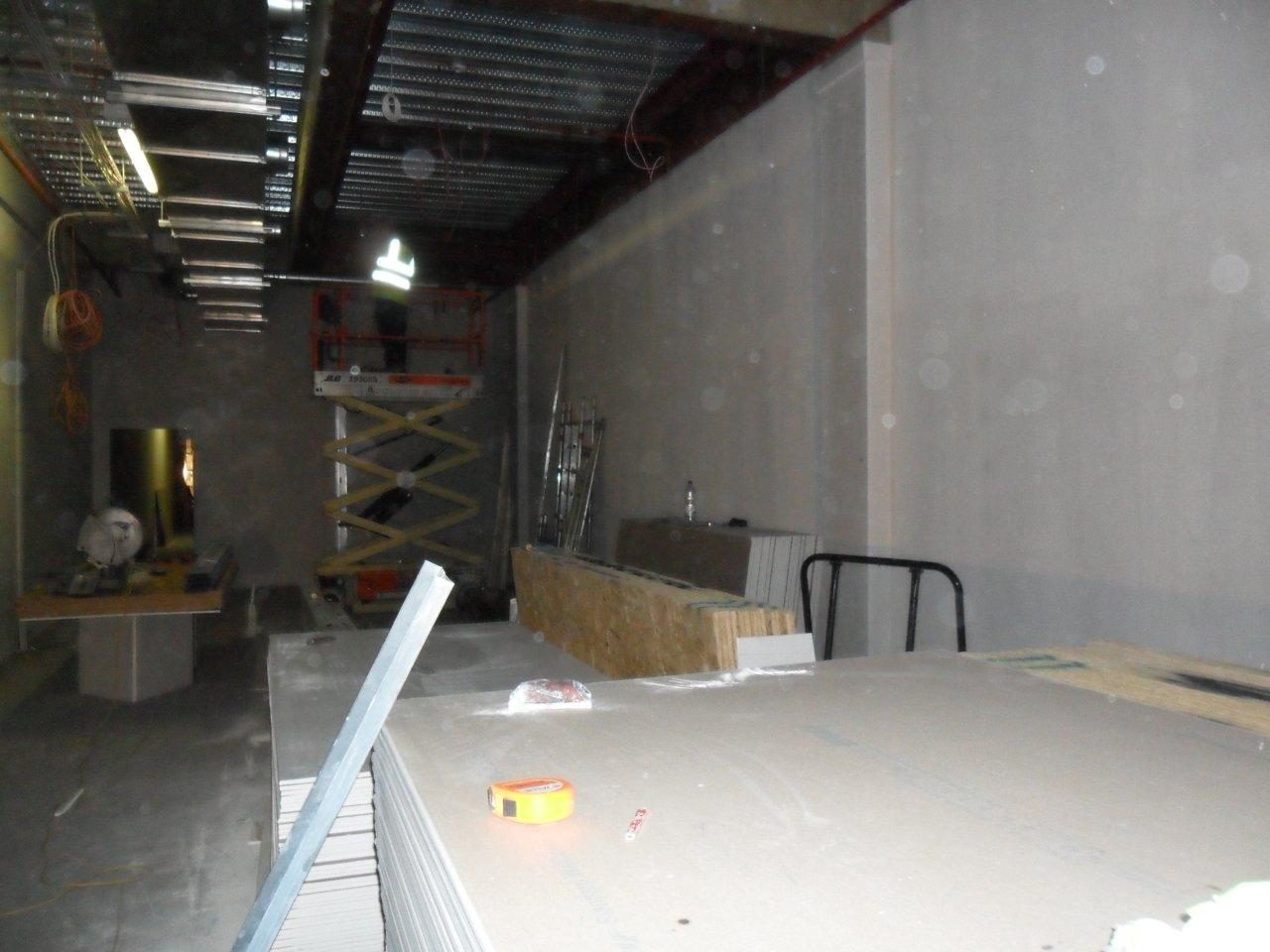
Inside a shopping centre you're building in somebody else's property, and it never really stops. Shoppers are there all day, cleaners and security are there all night, and centre management has rules for everything in between.
The Calvin Klein store I delivered as project and contracts manager, before Tatton Projects was formed, was fitted out from a bare shell inside a live centre. This post is about the centre's side of that kind of job: the rules, the permits and the night shifts. The stages of the fit-out itself are in shopfitting from strip-out to trading.
The fit-out guide comes before the drawings
Most centres have a tenant fit-out guide, sometimes called a tenant handbook or design criteria. It's the most important document on the job, and it should be read before the store is designed, not after.
It will usually set out:
- The condition the unit is handed over in, which services are provided and where they're capped
- The shopfront zone, the signage zone and any rules on heights and materials
- What drawings and method statements need approving, and how the approval process works
- Which work has to be carried out by the centre's own nominated contractors
- Working hours, delivery rules and the permit system
The point about nominated contractors matters for cost and programme. Many centres insist that work on their sprinklers, fire alarm, building management system or roof is done by their own contractors. You don't control their price or their diary, so they need to be in the programme from the start.
Some centres also charge for reviewing drawings or for services such as waste removal. Find out before you price, not after.
Hoardings, permits and the centre's fire systems
The hoarding goes up before anything else, built to the centre's specification and often finished with the brand's graphics. It sits between a trading mall and a building site, so it has to stay clean, secure and tidy every day, and the centre will notice when it isn't.
Behind it, everything runs on permits. Hot works, isolating a fire alarm zone, draining down a sprinkler system, working at height on the shopfront, going onto the roof: each needs a permit from centre management, with a start and an end, closed out when the work is done. Operatives are usually inducted by the centre before starting, and method statements are usually submitted in advance.
If the centre is sprinklered, a new ceiling usually means heads being moved or added, done by the approved sprinkler contractor under permit and restored before the end of the shift. The unit's fire alarm ties into the centre's system. Dust in the wrong place can set off detectors, and a false alarm in a busy centre won't make you popular with management.
A shopping centre unit is two jobs at once: a building site behind the hoarding and a polite neighbour in front of it.
Deliveries and waste go round the back
Nothing comes through the mall while it's trading. Materials arrive through the service yard in booked delivery slots and travel along service corridors and up goods lifts, often with limits on vehicle size and on how long you can stay in the bay. Large items like shopfront glass may only be able to come through the mall after it closes.
There's rarely anywhere to store anything, so the unit itself becomes the store, and deliveries have to arrive when they're needed rather than when it suits the supplier. Waste goes out the same way it came in, and the centre will have its own arrangements for it.
Night work, and what it costs
The noisy and dusty work, breaking out floors, drilling into the slab, cutting, is usually done when the centre is closed. Quieter work may be allowed behind the hoarding during trading hours, but that's the centre's decision.
Night shifts need the centre's security on site, proper lighting, and supervision just as much as day shifts do. Out-of-hours labour costs more, and people are less productive at three in the morning than at ten, so the programme should be honest about that. A contractor who prices a centre unit as if it were a high street shop with normal hours has either not read the fit-out guide or is planning a variation.
Before you sign for the unit
If you've got a unit in a centre lined up, send us the fit-out guide, the lease plan and the brand drawings. We'll read the landlord's rules and tell you what they mean for the cost and the programme before you commit. We work UK-wide on commercial fit-out, and there's more on retail work on our shopfitting page.
Got a project like this?
Feasibility, cost plan, or a straight answer on whether a building is worth taking.