Refurbishing a vacant office floor to let it faster
What a Cat A refresh costs, what agents and tenants notice on a viewing, and where a landlord's refurbishment money does most to get an empty floor let.
By Dave Groom · Tatton Projects
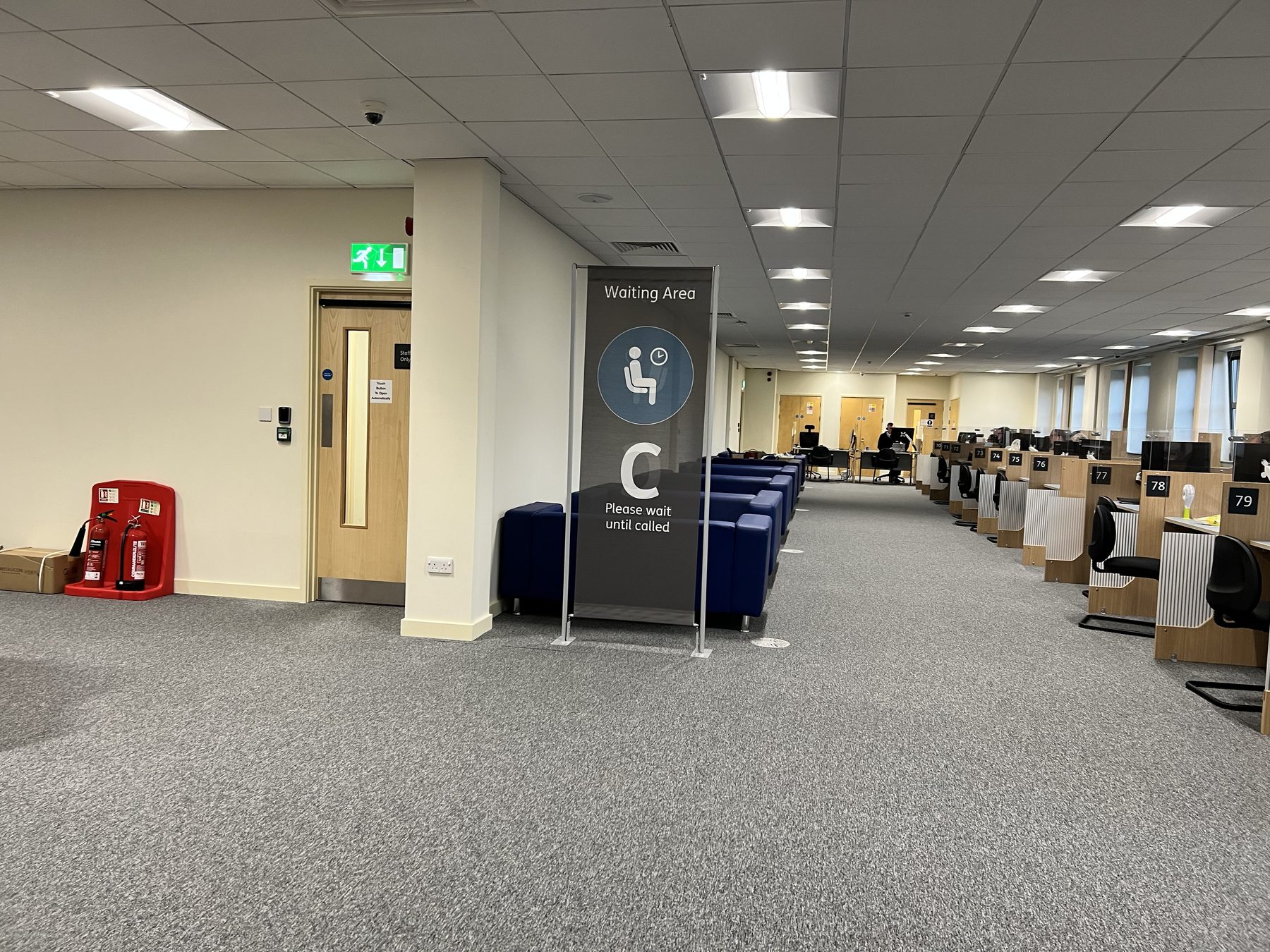
An empty office floor still costs its owner money. Service charge, insurance and security carry on, and depending on the property and any reliefs that apply, business rates can too. The longer the void, the bigger that bill gets.
The usual answer is a refurbishment before the floor is marketed. The skill is spending on the things that actually get a floor let, rather than on things the next tenant will rip out.
What a Cat A refresh buys
Our published 2026 range for a Cat A refresh is £45 to £70 per sq ft, excluding VAT. That typically covers ceilings, lighting, raised floor, basic mechanical and electrical work and decoration, leaving a clean, open floor ready for a tenant's own fit-out. The full ranges are on our cost guide, and there is more on the difference between Cat A and Cat B on our Cat A and Cat B fit-out page.
Where a building lands in that range depends on what is already there. A floor with sound ceilings and air conditioning in good order needs a lighter touch than one where the plant is at the end of its life.
What viewers notice
Your letting agent knows your local market, and their view on what is letting should shape the brief. That said, a few things matter on almost every floor.
The way in. The entrance, reception, lift lobby and stairs. A tenant's staff and visitors will walk through them every day, and they are the first thing a viewer sees.
The toilets. Tired toilets put viewers off quickly. Showers, changing space and somewhere to leave a bike are often on tenants' lists too.
Light and air. A bright floor with good daylight and modern LED lighting, and air conditioning that is clearly working and quiet.
A floor that's easy to plan. A clear, regular open space with working floor boxes and a clean ceiling grid lets a tenant picture their own layout.
The energy rating. Tenants and their advisers will ask about the EPC, and the minimum standards rules make it more than a nice-to-have for the landlord. More on that in what MEES means for letting.
Viewers form a view of a building before they reach the floor. The entrance, the lift and the toilets do a lot of the selling.
Where to put the money
Common parts first. If you control the common parts, money spent there helps every floor in the building, not just one.
Do the energy work in the same void. Lighting, controls and fabric improvements are far easier to carry out on an empty floor alongside the refresh than around a tenant in occupation.
Don't over-design. Unless you are deliberately offering a fitted floor, avoid partitions, feature finishes or anything else a tenant may want to strip out. Neutral and well made is the brief.
Think carefully about fitted space. Some landlords now go beyond Cat A and put in meeting rooms, a kitchen and sometimes furniture, so a tenant can move straight in. It can suit smaller suites, and it carries more risk. There is more in Cat A+ and plug-and-play offices.
Timing it
The best time to plan a refurbishment is before the current tenant leaves. Survey the floor while you still have access, agree the scope and order anything with a long lead time, so the work can start as soon as the floor is empty.
Talk to your agent about when the marketing photographs are taken, too. A floor shown finished does better than one shown half done.
Send us the floor
If you have a floor coming vacant, send us the floor plan, the EPC and some photos of the floor and the common parts as they are now. We'll do a free feasibility appraisal and tell you what a refresh would cost, what we would prioritise for the money, and what we would leave alone.
Got a project like this?
Feasibility, cost plan, or a straight answer on whether a building is worth taking.