The Party Wall Act for homeowners: when you need to serve notice
The three situations where the Party Wall Act applies, when to serve notice, how surveyors and awards work, and how it fits into your building programme.
By Dave Groom · Tatton Projects
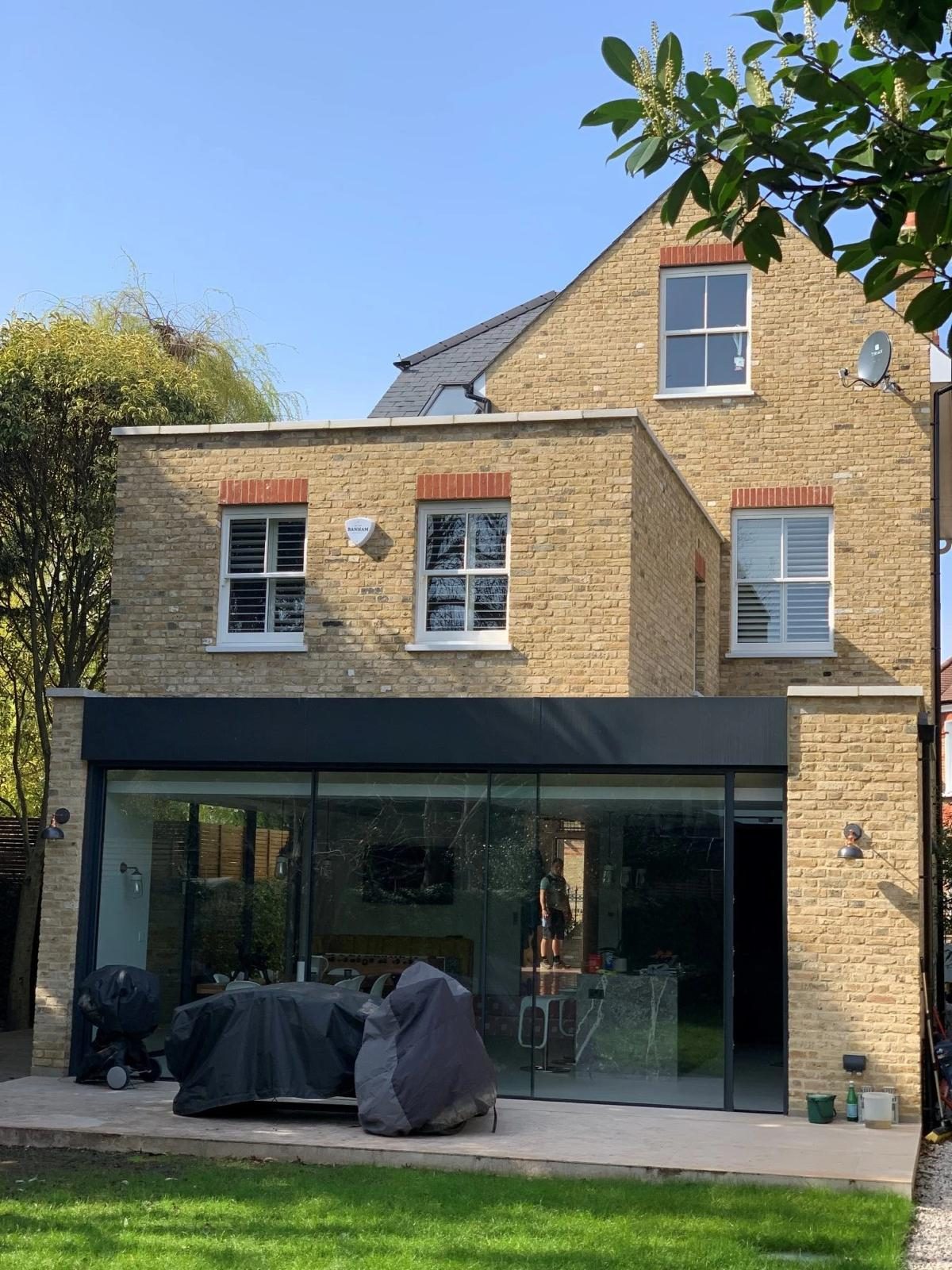
The Party Wall Act has a reputation it doesn't really deserve. People talk about it as if it gives the neighbours a veto. It doesn't. What it gives them is protection, and what it gives you is a clear process for doing work that affects their property.
The Party Wall etc. Act 1996 applies in England and Wales. What follows is a builder's summary of how it works in practice, not legal advice. The government publishes an explanatory booklet and example notices on GOV.UK, and a party wall surveyor can advise on your particular case.
The three situations
The Act covers three kinds of work.
1. Building a new wall on the boundary. If you are building a new wall on the line between your land and your neighbour's, either astride it or right up against it on your side, you need to serve notice at least one month before work starts. An extension built hard up to the boundary is the usual example.
2. Work to an existing party wall. A party wall is one you share with the house next door, as in a semi or a terrace, and the Act also covers garden walls that stand astride the boundary. Cutting into a party wall to take a steel beam, underpinning it, raising it, or cutting away a chimney breast attached to it all need notice, at least two months before the work starts.
3. Digging near the neighbour's building. If you are excavating within 3 metres of a neighbour's building and your excavation will go deeper than their foundations, or within 6 metres and it will cut below a 45 degree line drawn down from the bottom of their foundations, you need to serve notice at least one month before. Extension foundations often do exactly this, and so do basements.
Those are minimum periods. Your neighbour can agree in writing to work starting sooner, but you can't assume they will.
What happens after you serve notice
The notice goes to every owner of the neighbouring property. Where a house is let on a long lease, or a building is divided into flats, that can mean more than one person.
For work to a party wall, or excavation near their building, your neighbour can consent or dissent. If they don't reply within 14 days, the Act treats it as a dispute. That word puts people off, but a dispute under the Act simply means surveyors are appointed to settle how the work is done.
Either both sides agree on one surveyor, or each appoints their own and the two of them select a third in case they can't agree. The surveyors produce an award setting out what work will be done, how and when, usually with a schedule recording the condition of the neighbour's property before work starts. As the person having the work done, you normally pay the surveyors' reasonable fees.
A dispute under the Act doesn't mean anyone has fallen out. It means the surveyors take over the paperwork, which is often the best outcome for everyone.
Even where a neighbour consents, I'd still have the condition of their side recorded with dated photographs before work starts. If a crack appears later, everyone wants to know whether it was there before.
Getting the timing right
The Act is easy to leave too late. The notice periods are minimums, and if surveyors are involved, the award takes time on top. On an extension or a knock-through, it belongs in the programme alongside building control, not after it.
It also needs the design to be settled. Whether a beam bears into the party wall, or how deep the foundations go, comes out of the structural design. Serve notice on a design that then changes and you may need to serve again. Notices also don't stay valid indefinitely if the work doesn't start, so serving them years ahead doesn't help either.
The person having the work done, the building owner in the Act's language, is responsible for serving notice. Many people have a party wall surveyor prepare and serve it for them, which is usually money well spent.
If notice isn't served
Starting notifiable work without notice is a mistake. Your neighbour can go to court to stop the work, which is expensive and slow to unwind. And without a record of their property's condition, every crack and sticking door becomes an argument about who caused it.
The Act also sits alongside everything else. It doesn't replace planning permission or building regulations approval, and neither of those replaces it.
Where we fit in
We are the builder, not the party wall surveyor. Our part is to give the surveyors the structural drawings and method they need, build to the award, and keep the neighbours in the loop while we are on site. Structural knock-throughs are covered in more detail in removing a load-bearing wall, and basements, where the Act often applies, in basement conversions in Hale and Bowdon.
If you send us your drawings, we'll tell you whether the work is likely to need party wall notices and how that affects the start date. More on how we work is on our extension builders in Altrincham page.
Got a project like this?
Feasibility, cost plan, or a straight answer on whether a building is worth taking.