Choosing a contractor for a commercial refurbishment
What to check before you appoint a commercial refurbishment contractor: accreditations such as Constructionline, insurance, references and who runs it.
By Dave Groom · Tatton Projects
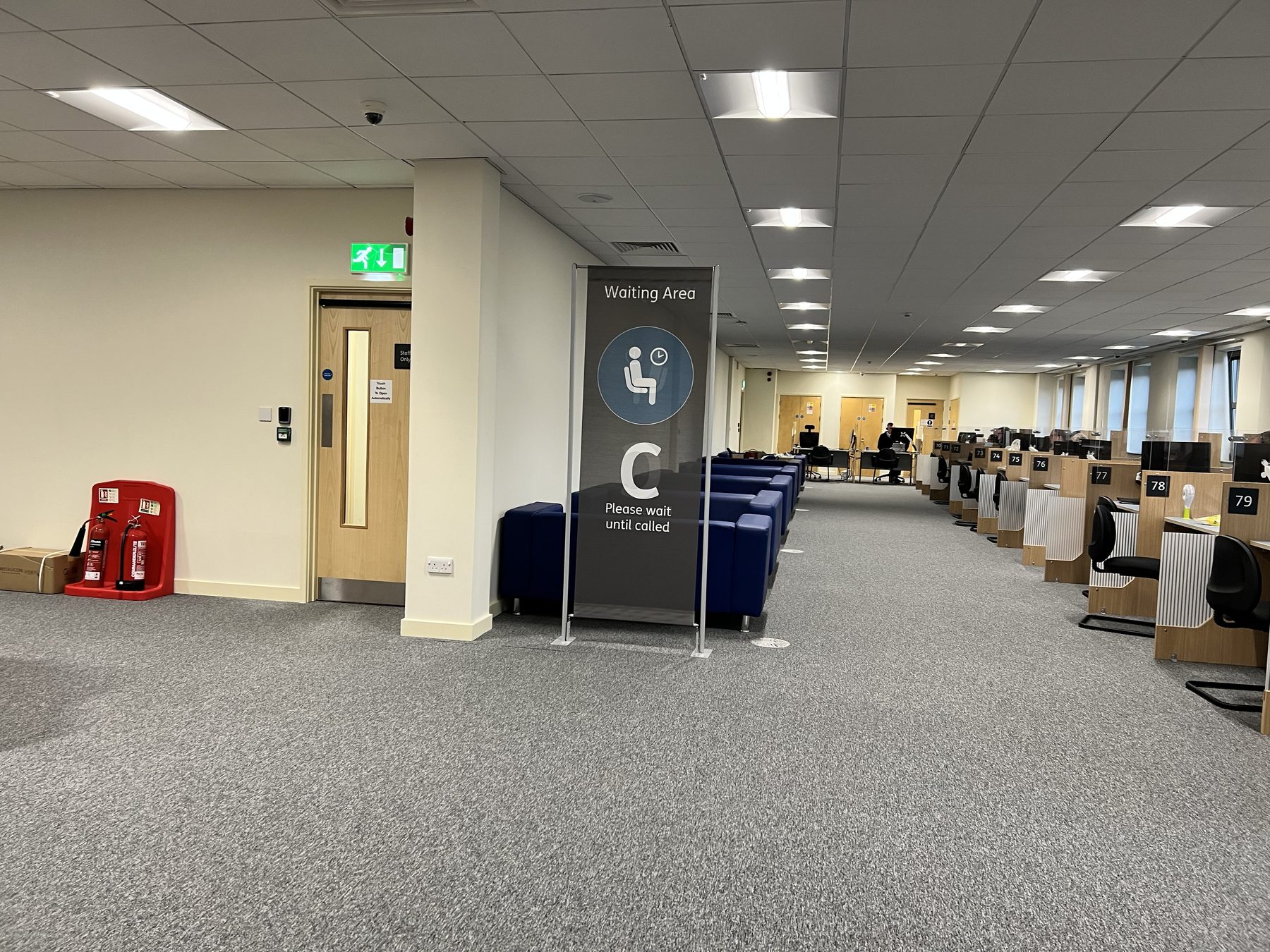
Commercial refurbishments are usually bought by people whose day job is something else: a facilities manager, an operations director, a practice manager, a business owner. The contractor you choose decides how much of your time the job takes up, as much as what it costs.
If you're a homeowner, the list in questions to ask a builder before you sign is a better starting point. This one is for commercial buildings, where the checks are a little different.
What accreditations tell you, and what they don't
Accreditations are a quick way to rule contractors out. They're a poor way to rule one in.
Constructionline is a pre-qualification register. Contractors submit their company details, insurances, finances, health and safety information and policies, which are checked against a standard question set, so a buyer can see them without sending out their own questionnaire every time. It has several levels, and the higher ones, Gold among them, involve more checks. We hold Constructionline Gold.
Trade body membership, such as the Federation of Master Builders, which we belong to, shows a contractor is prepared to be held to a standard.
CSCS cards show that the people on site have the training and qualifications for the work they're doing. Ask whether everyone on your job, subcontractors included, will carry one.
What none of these tell you is whether the contractor is any good at your kind of job, or whether the person running it will be.
Insurance and financial standing
Ask to see certificates, not just a list:
- Employer's liability, which most employers are required by law to hold
- Public liability, at a level that suits your building and what's around it
- Contract works cover for the work in progress
- Professional indemnity, if the contractor is taking on design, as in design and build
Check the dates and limits against what your contract asks for. In a leased building, check with the landlord how their building insurance treats works being carried out.
Look at the contractor's accounts at Companies House, and think about the size of your job against the size of their business. A job that is very large for a small contractor stretches their cash flow. A job that is very small for a large one tends to get whoever happens to be free.
Track record and references
Ask for finished jobs like yours, not just in type but in the conditions they were done under. An occupied building, a listed one, out-of-hours working, a tight city-centre site: each changes how a job is run. Ask for the value of each one.
Then call the client. Don't ask whether they were happy. Ask what went wrong and how the contractor dealt with it, because something goes wrong on every job and the answer tells you more than any brochure. If you can, walk round one of their live sites. How tidy it is, and how well it's separated from everyone else, says a lot.
Our finished projects are on our work page, with their real values. Since 2020 we've delivered more than 110 projects and £8m of work.
Accreditations tell you a contractor has the paperwork. Their last client tells you what happens when the job goes wrong.
Who runs the job
This is the question that matters most and gets asked least. In many firms, the person who wins the work hands it on to a contracts manager and a site manager you've never met. Ask to meet the people who will actually run your job before you sign, and ask how many other jobs they'll be running at the same time.
Ask how health and safety will be managed too. Under CDM 2015, commercial clients have duties of their own, including making sure a principal designer and a principal contractor are appointed where more than one contractor will be involved. A good contractor will explain how the construction phase plan works on your job without being asked twice. The Health and Safety Executive publishes guidance on what applies to you.
At Tatton, the person who prices the job is the person who runs it on site. We're owner-managed, and that's deliberate.
Getting a price from us
Send us the drawings or a scope, the address, and how the building will be used while the work is going on. You'll get a price, and you'll have met the person who would run the job. If you're comparing several, how to compare builders' quotes like for like will help. More on our commercial work is on our commercial refurbishment page.
Got a project like this?
Feasibility, cost plan, or a straight answer on whether a building is worth taking.